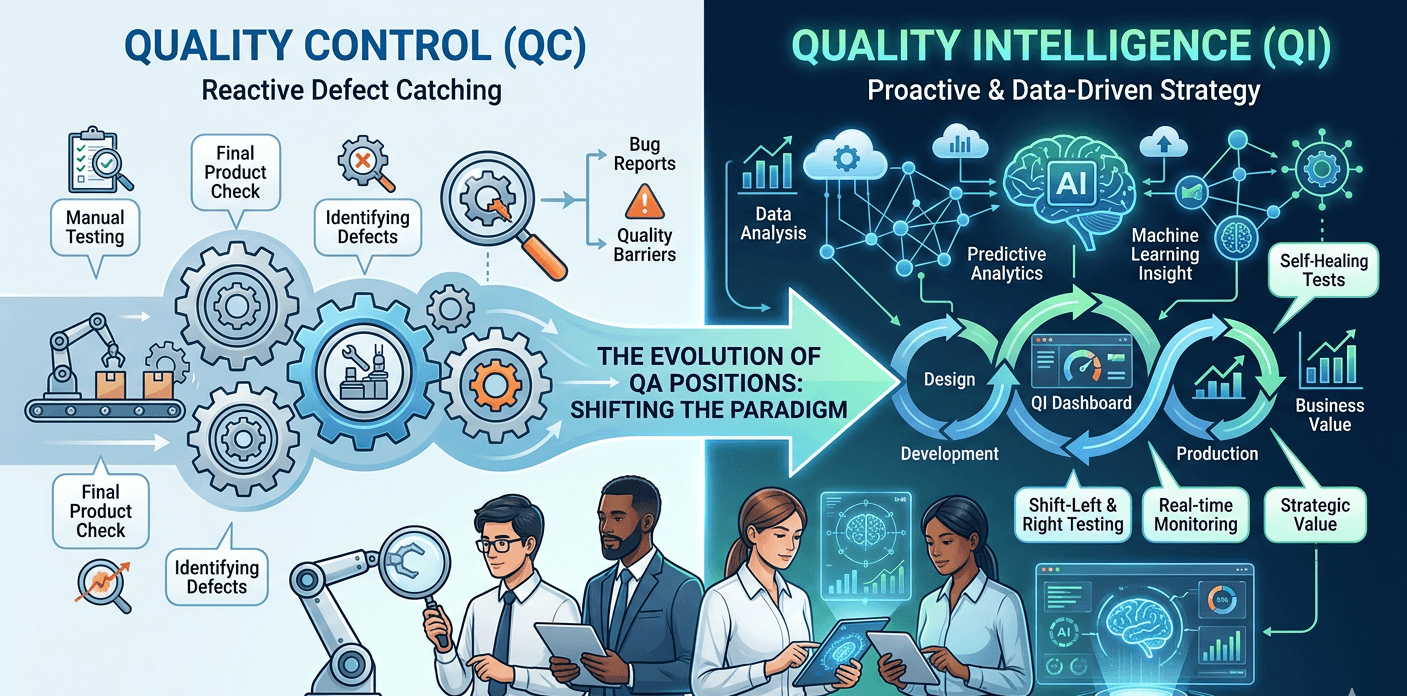
An organization’s quality control and process improvement process rest on the fault detection and problem-solving methods used by quality management professionals. Faults or defects in the process are expensive and increase the overall cost of the product or service the organization is trying to deliver to satisfy its customers. Thus, it is crucial to detect the problems in the business process early to avoid problems later.
Failure Mode and Effect Analysis (FMEA) is widely used for process analysis across many industries. This tool helps identify potential problems in the process or product in advance, especially when a product is in its design stage. FMEA also plays a significant role in the continuous improvement of products and services by analyzing the effects of the problems and finding appropriate solutions. In quality management, the FMEA tool is used by Lean Six Sigma practitioners to detect problems early and evaluate their impact on the desired objectives.
Jump ahead to
What is FMEA?
FMEA is a methodology to identify potential failures in a process and analyze their impact on the product. Also known as “potential failure modes and effects analysis” and “failure modes, effects and critically analysis (FMECA),” the FMEA process analysis tool helps in detecting faults that will affect the result of the process. These defects can be anything from design failures to manufacturing or assembly problems. Therefore, FMEA is essential for the quality control process of an organization.
Originally started in the 1940s by the US military, this systematic approach to discovering potential problems is popular in many industries. The FMEA methodology is critical for an organization’s quality management process as it eliminates the chance of product recalls. It reduces the overall cost of production resulting from poor product designs, manufacturing defects, and assembly line faults. As a result, customers pay for the products they desire without any hidden costs, thus, adding value to the organization.
Types of FMEA
In Lean Six Sigma, the FMEA tool is used for identifying, prioritizing, and reducing defects in business processes. It helps in effective risk assessment and reviewing the design process to enhance the manufacturing or engineering process. There are two types of FMEA: DFMEA or Design FMEA and PFMEA or Process FMEA.
Design FMEA
This method of failure mode and effect analysis helps in identifying problems in products, limited product life, safety, and regulatory impact caused due to:
- Properties of Materials used like strength, lubricity, viscosity, elasticity, etc.
- Product Geometry
- Tolerances
- Interfaces with other Components and Systems
- Engineering Noise
Process FMEA
The process FMEA method helps identify failures that affect the product quality, reduced process reliability, safety of the workforce, and customer dissatisfaction caused due to:
- Human factors or errors
- Methods followed in the business process
- Materials used in the process
- Machine used to facilitate the process
- Measurement metrics used for product acceptance
- Environmental factors affecting the business process
How to do FMEA?
The FMEA tool is the most effective low-risk technique to predict problems and derive solutions for organizations that deliver products and services of the highest quality to their customers. FMEA Process involves regularly evaluating, monitoring, and reviewing the design or process developments to attain the desired results. An organization’s FMEA process will differ based on its business requirements. Generally, the process starts with identifying and prioritizing potential problems that may affect the business. After that, quality management professionals can take action to prevent the failure or reduce its impact. These processes are constantly monitored and controlled using appropriate documentation.
What is FMEA in Six Sigma?
FMEA in Six Sigma is the most cost-effective approach for preventing problems before they happen. Organizations conduct Six Sigma projects to improve their business processes and deliver value-enriched products and services to their customers. By using FMEA in Lean Six Sigma projects, organizations can estimate the impact of the defects in advance and take necessary actions to prevent or minimize them. The failure modes and effects analysis is utilized during the analyze phase of the DMAIC process of Six Sigma. It is a powerful tool for highlighting the voice of the customer and helping organizations reach their desired business objective.
Conclusion
Quality control and process improvement professionals understand the significance of FMEA in quality management. FMEA helps Lean Six Sigma practitioners identify and document the three parameters that determine the risk potential: detection, severity, and occurrence. Although all three elements cause customer dissatisfaction, the occurrence has the most noticeable impact. Therefore, aspiring quality management professionals should thoroughly understand FMEA, Six Sigma, and Lean Six Sigma to comprehend their importance in improving the business processes of modern organizations. Our Lean Six Sigma Green Belt Certification will help quality assurance, and control professionals use FMEA in practice to improve the business processes of their future organizations. Earning this reputed credential will help them get recognized in the quality management industry and help their organizations attain long-term growth.
Summary:
FMEA assists companies in anticipating potential failures in their systems, processes, or products before they become significant problems. It explains how types of FMEA, such as Design FMEA for product specifications, System FMEA for overall functions, and Process FMEA for production steps, work together to uncover hidden risks. By assessing the severity, frequency, and detectability of a failure, teams can prioritize the issues that need immediate attention. This structured approach reduces errors, prevents malfunctions, and strengthens operational reliability. It also supports better decision-making by showing how improvements influence customer satisfaction, performance, and safety. Professionals who want to expand their understanding of this method can progress through the FMEA Quality Management Training Course.
FAQs on FMEA Significance:
1. What is the significance of FMEA in quality control?
FMEA helps organizations detect weak points in a process early. This proactive approach reduces defects and strengthens overall quality performance.
2. How does FMEA support process improvement efforts?
It highlights where processes commonly break down and why. Teams can then upgrade steps that impact efficiency or reliability the most.
3. What is the main purpose of Failure Mode and Effects Analysis?
Its purpose is to understand potential failures and minimize their impact before they happen. This keeps operations smoother and products more dependable.
4. What are the basic steps involved in an FMEA activity?
The process includes identifying failure modes, analyzing causes, scoring risks, planning actions, and reviewing results. Each stage builds clarity around risk.
5. How does FMEA contribute to improving product quality?
FMEA detects issues during design or production, allowing preventive corrections. This results in stable performance and consistency for end users.
6. What are the different types of FMEA used in organizations?
Common types include Design FMEA for product features, Process FMEA for workflow issues, and System FMEA for evaluating complete systems. Each type targets different risk levels.
7. How does Design FMEA help during product development?
It examines how individual components could fail and affect the whole product. This leads to smarter design decisions and fewer customer issues.
8. How does Process FMEA improve daily operations?
It looks at every step of a workflow to uncover errors, delays, or inefficiencies. Improving these steps reduces waste and boosts process stability.
9. Why is the Risk Priority Number important in FMEA?
The RPN helps teams see which failures matter the most by combining severity, likelihood, and detection. High-risk items get addressed first for maximum impact.
10. How does FMEA help with preventive action planning?
Once risks are identified, FMEA guides teams to propose solutions that reduce or eliminate those failures. This shifts quality control from reactive to preventive.
11. Why is cross-functional participation useful in FMEA?
Different team perspectives reveal hidden issues that one department alone might miss. This leads to stronger, more well-rounded solutions.
12. How does FMEA support long-term consistency in processes?
Documented findings help organizations track improvements over time. As processes evolve, FMEA ensures standards remain stable and effective.
13. Can professionals upskill through FMEA certification programs?
Yes, training programs teach individuals how to apply FMEA more accurately and confidently. This helps them lead quality initiatives with greater expertise.