Once a project is initiated, it’s essential to maintain a continuous and rigorous monitoring and control process to ensure it stays on track and meets its objectives. During the project, team members must update project managers on their progress. However, sometimes, they require prompts to fulfill their responsibility. Project follow-up can aid project managers in this situation. It helps them quickly identify and resolve problems, maintain control over project specifications, and increase the possibility of completing a successful project. Project follow-up leaves project teams in the loop with no mechanism to track progress, manage risks, or make necessary adjustments.
Jump ahead to
What is Project Follow-up?
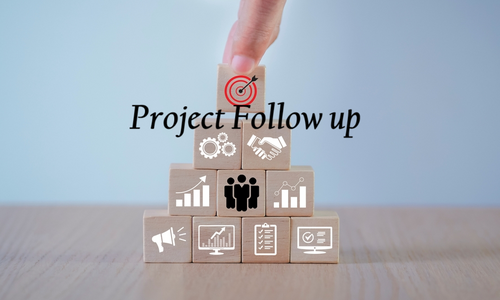
Project follow-up is an essential step after the project has been started and is ongoing. It is a procedure for managing and maintaining track of the progress of project tasks, activities, and deliverables. This ensures that the project is completed on time, within budget, and in accordance with specifications. The follow-up process aims to keep track of a project’s progress and modify project activities to guarantee that project outputs are effective. It uses feedback on costs, timelines, requirements, workforce performance, and other crucial variables to assess a project’s viability.
Regular project follow-ups facilitate the early identification of issues, risks, and challenges. This lowers the possibility of significant interruptions through prompt intervention and problem-solving.
Follow-up helps in identifying areas for improvement, allowing changes and improvements to increase project effectiveness and efficiency. It also keeps stakeholders informed and involved throughout the project. This raises their level of satisfaction and helps them comprehend the project’s progress and potential issues. Without proper follow-up, projects may quickly stray off course, resulting in delays, budget overruns, and quality problems.
Steps involved in Project Follow-up
Project follow-up in project management involves the following stages:
Define Follow-up Process
The project team must specify the specific goals and aims of the follow-up procedure. They must decide which project components they want to assess, monitor, and improve. The team can utilize follow-up techniques, including weekly meetings and progress updates.
Establish Follow-up Criteria
The team must track tasks, milestones, and deliverables to assess the project’s progress continuously. They must establish precise criteria and metrics to evaluate the project’s performance and results. However, the project’s objectives, key performance indicators, and stakeholder expectations should align with these criteria.
Collect Relevant Data
The project team should acquire the necessary information and data on the results and performance of the project. It consists of project reports, paperwork, opinions, stakeholder feedback, and performance indicators.
Continuous Monitoring
Team should keep track of project costs and compare them to the budget on a regular basis. They must also identify opportunities for enhancing the efficacy and efficiency of the project and areas that need improvement. It includes locating obstacles, addressing problems, and proposing remedies.
Involve Stakeholders
Throughout the follow-up procedure, the project manager should involve stakeholders. They should discuss the project’s development, difficulties, and suggest changes with stakeholders.
Communicate Results
Project manager should communicate the results to the project team, stakeholders, and relevant decision-makers. They have to provide precise and succinct details regarding the project’s successes, difficulties, and suggested course of action. Moreover, they must take the necessary corrective actions to solve any shortcomings or discrepancies based on the findings and recommendations. This entails changing project plans, reallocating resources, or streamlining project procedures.
Monitor Progress
After implementing the necessary steps, the project team should continue to track the progress of the project. They must weigh the impact of modifications on scope, time, and finances before deciding how best to execute them. Additionally, they have to evaluate whether the changes made are having the expected effects and whether additional actions are required.
Documentation Lessons Learned
It is crucial to record lessons learned to enhance procedures in future projects. As a result, the team must ensure all project-related documentation is updated and maintained. These comprise minutes of meetings, change requests, issue logs, and lessons learned.
Feedback and Continuous Improvement
Project managers should repeat the follow-up procedure periodically, depending on the length and complexity of the project. This ensures continuous project assessment, improvement, and sustainability. In addition, they should get feedback on the project’s performance and the follow-up process from the project team and stakeholders. This feedback helps them to make improvements in future projects.
Conclusion
Project follow-up ensures that a project stays on track and achieves the desired results. It also aids teams and project managers raise the likelihood of project success. Regular project follow-ups also encourage efficient communication between the team, stakeholders, and sponsors. This keeps everyone updated and in line with the objectives and development of the project. Professionals who want to learn more about project follow-up and other project management techniques can enroll in CAPM Certification Training. By mastering these techniques, professionals can ensure that projects are completed on schedule, achieve their goals, and provide value to the organization. Additionally, it enables them to contribute to the project’s overall success.
Summary:
Project follow-up is about keeping a project on track once the work begins. It helps teams stay aligned with the plan, stick to timelines, and control costs. Regular check-ins, status updates, and monitoring make it easier to spot issues early. Clear communication with team members and stakeholders keeps everyone informed and involved. Reviewing progress, gathering feedback, and making timely adjustments improve the outcome. Good follow-up builds accountability, avoids delays, and keeps the project moving smoothly. It also leads to better client satisfaction and a more confident, productive team. Strong follow-up habits increase the chances of delivering a successful project every time.
FAQs on Steps for Project Follow-Up:
1. What is project follow-up in project management?
Project follow-up is the ongoing review of a project’s progress to ensure work stays on track with the plan.
2. How to follow up on project status?
Ask for a quick progress update, current blockers, and what support is needed. Keep the tone polite and focused on moving the task forward.
3. How to professionally ask for an update on a project?
Use a polite message like, “Could you please share a quick update on the status?” Add a timeline if needed: “Can you update me by the end of the day? ”
4. How often should project follow-ups be done?
Most teams do weekly follow-ups, but urgent projects may need daily check-ins. Small projects may only need biweekly reviews.
5. How do I email a project update?
Keep it short with key progress, completed tasks, next steps, and any support needed. Use a clear subject line and highlight only the most important points.
6. How do you track project progress effectively?
Set clear KPIs, update tasks regularly, and compare progress against the timeline. Review the data weekly to identify risks or delays.
7. What tools help with project follow-ups?
Tools like Trello, Asana, Jira, Monday.com, or MS Project help track progress. Even a simple Excel or Google Sheet works for small teams.
8. What should a project follow-up report include?
Key progress, completed tasks, next steps, and current blockers. Keep it short and clear so stakeholders can act quickly.
9. Why is follow-up important in a project?
It helps spot delays early, fix issues quickly, and avoid last-minute surprises. Regular follow-ups also keep everyone responsible for their tasks.
10. What’s the difference between monitoring and follow-up?
Monitoring tracks the project’s status, performance, and results. Follow-up is taking action based on monitoring insights.
11. How to track the progress of a project?
Break the work into tasks, set timelines, and review them regularly. Use simple tools or trackers and compare actual progress with the plan.
12. What is the 80/20 rule for project managers?
It means 80% of project results come from 20% of key efforts. Focus on the tasks that make the biggest impact instead of doing everything.